Sewage Sludge on Our Land: Why Reform Matters Now
Ken Finn
Drip Drip Co-Founder
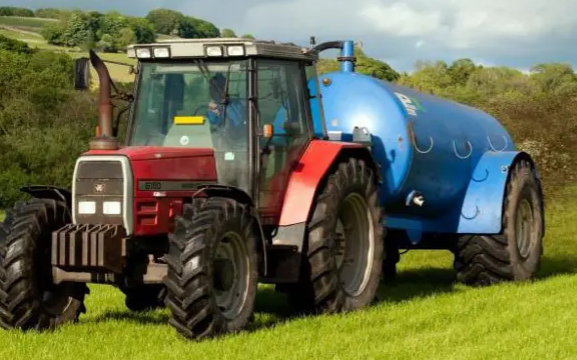
Across the UK, treated sewage sludge is promoted as a sustainable way to recycle nutrients. But beneath this narrative lies a growing concern: what else is being spread with it?
Across the UK, treated sewage sludge—often referred to as “biosolids”—is routinely spread on agricultural land. It is promoted as a sustainable way to recycle nutrients. But beneath this narrative lies a growing concern: what else is being spread with it?
Sludge can contain a complex mix of contaminants, including heavy metals, microplastics, pharmaceutical residues, and increasingly, substances such as PFAS—often called “forever chemicals” due to their persistence in the environment. Once applied to land, these substances can accumulate in soils and, over time, find their way into watercourses.
For communities like ours in the Tamar Valley, this is not an abstract issue. What is spread on fields does not stay on fields. Rainfall, soil movement, and hydrology connect land directly to river systems. The health of the River Tamar—and the wildlife and people who depend on it—is shaped by decisions made upstream.
The current regulatory framework governing sludge spreading dates back to 1989. While it has been supplemented over time, it has not kept pace with modern scientific understanding or the scale of emerging environmental risks. A government consultation is now considering how best to reform these rules.
Three broad options have been proposed:
- updating the existing regulations
- moving sludge controls into a modern environmental permitting system
- or relying more heavily on guidance and voluntary codes of practice
Each option offers some improvements. However, only a more integrated and enforceable regulatory approach is likely to deliver the level of protection now required. Incremental changes and voluntary guidance may help at the margins, but they risk leaving fundamental gaps in oversight, consistency, and accountability.
There is also a broader principle at stake. If sludge spreading is to continue, it must be underpinned by full transparency, robust monitoring, and clear limits on contaminants—particularly those that persist in the environment and pose long-term risks.
This is not about opposing agriculture or waste recycling. It is about ensuring that practices are safe, evidence-based, and fit for the future.
As understanding evolves, so too must regulation. Our soils and rivers are not disposable. They are living systems—and they deserve protection that reflects their value.
Drip Drip has submitted a response to DEFRA’s consultation on the regulatory framework for sludge applied to agriculture. The response highlights the need for greater transparency, stronger oversight, and regulation that reflects current scientific understanding of environmental and public health risks.